
From Sim To Reality
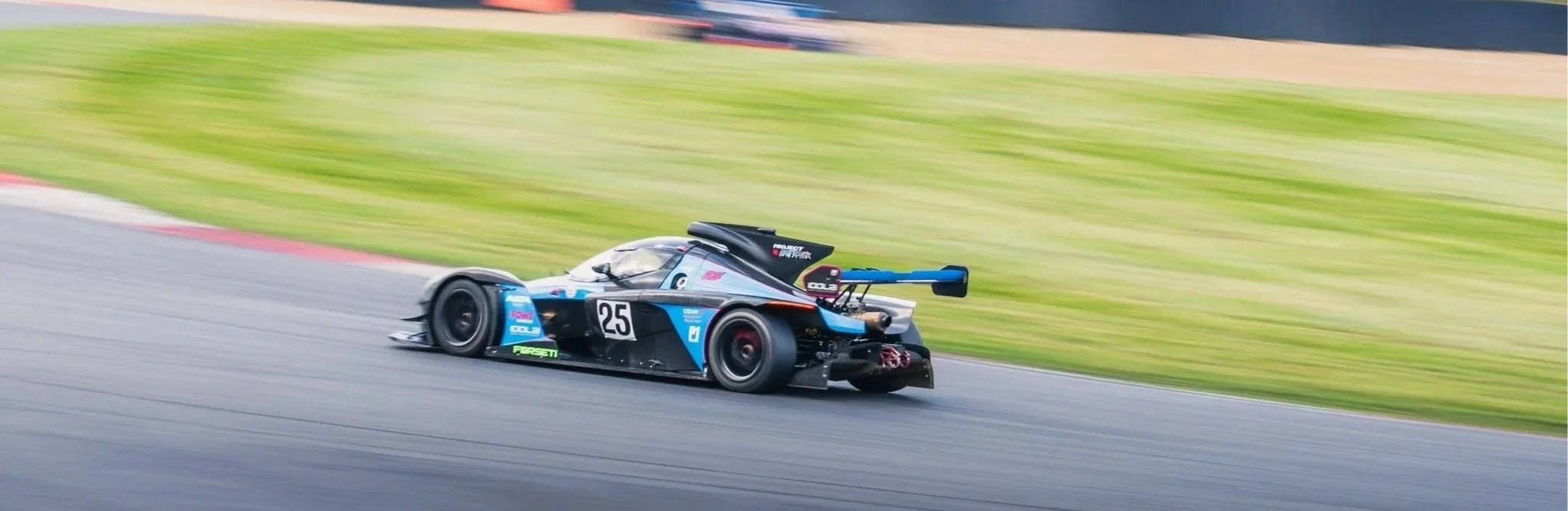
Transitioning from sim racing to real-world competition isn’t as seamless as it looks on screen — it’s a leap that tests discipline, adaptability, and mindset as much as raw pace. In the simulator, every variable is controlled; in the real car, everything fights back. The heat, the g-forces, the unpredictability of grip — they all expose weaknesses instantly.
That challenge is exactly what drew me in. Coming from an engineering background, I approach racing with the same analytical mindset I used in software: breaking complex systems into data, refining feedback loops, and constantly iterating toward precision. Sim racing built my fundamentals — racecraft, consistency, and spatial awareness — but applying those skills in real-world conditions demanded a deeper level of focus, physical endurance, and emotional control.
The engineering mindset helps bridge that gap. It’s about treating every lap as a dataset, every mistake as an experiment, and every improvement as part of a continuous process. Racing isn’t just driving fast — it’s problem-solving at 150 mph.
ABOUT DANIEL
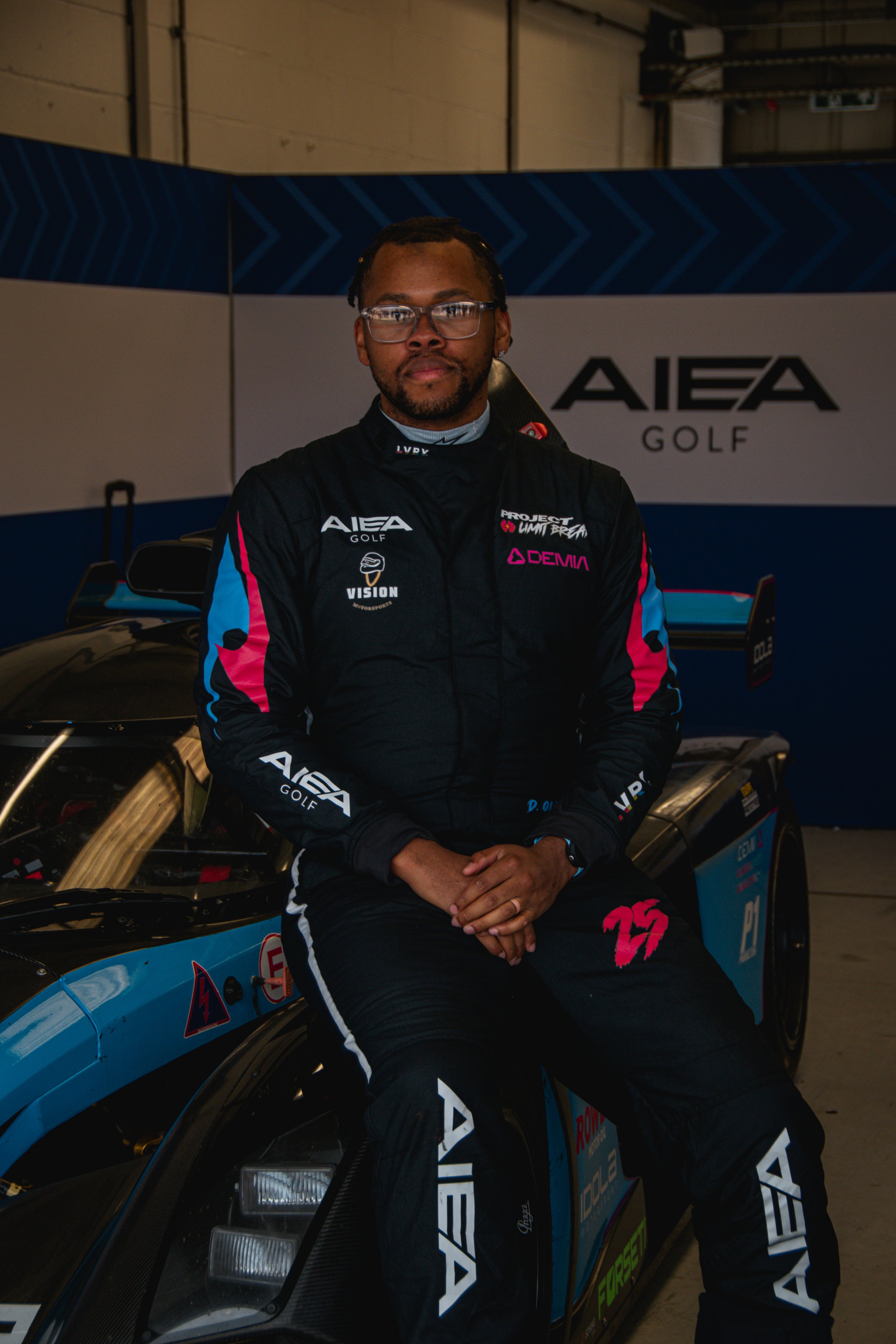
Daniel Oliver's journey into racing defies typical narratives. Without a racing background or early opportunities, he methodically approached motorsports with the same analytical mindset he applies to software engineering. Within six months of deciding to pursue racing, he had secured an FIA international racing license and achieved multiple wins—a testament to his disciplined approach and natural aptitude.
Balancing the precision of his technical profession with the dynamic world of motorsports, Daniel demonstrates that meaningful achievements aren't confined to traditional timelines. His story is less about natural talent and more about the power of persistent, focused effort.
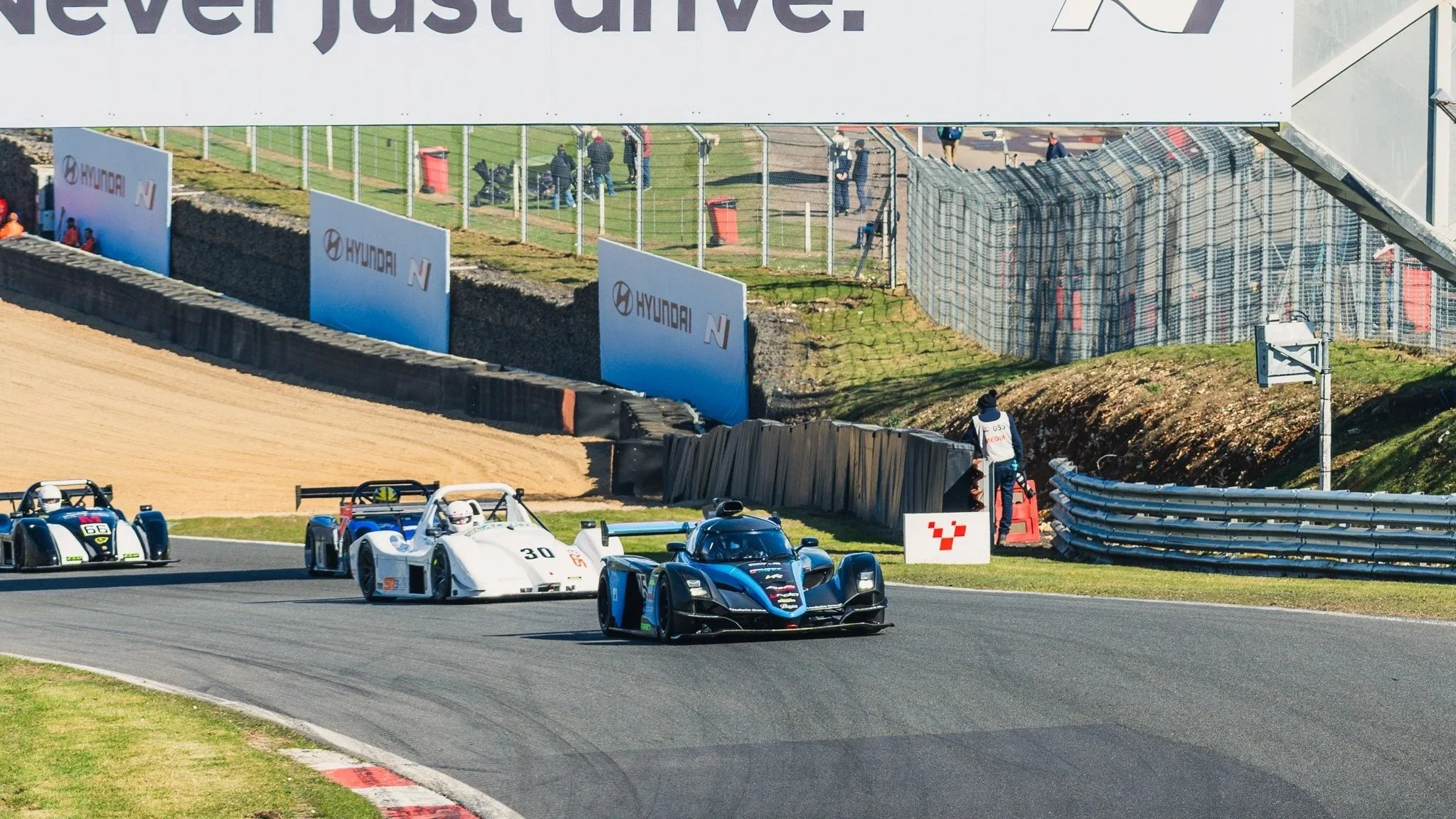
Replicating Sim Racing Success in the Real World
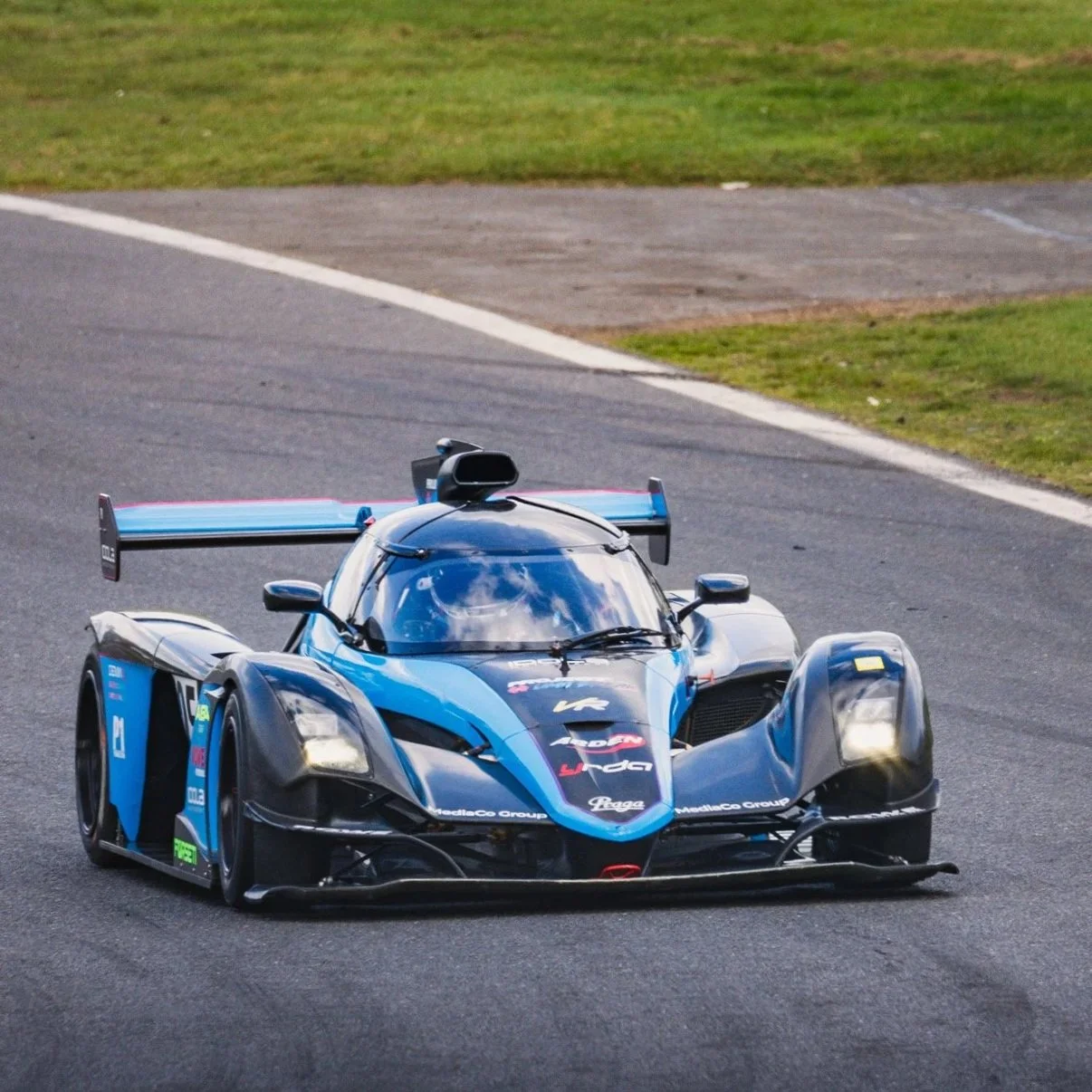
Winning in sim racing doesn’t guarantee success in real-world motorsport — but it builds the foundation. The mindset, the precision, and the relentless pursuit of improvement are the same. Translating that virtual success into reality takes more than just skill behind a wheel — it takes discipline, physical conditioning, and the ability to adapt to pressure in an environment where mistakes cost real money, not just points.
In the simulator, success comes from data, consistency, and control. In real life, the variables multiply — tire degradation, changing track conditions, mechanical feedback, and even heat and fatigue. What separates the good from the great is how quickly you can process that chaos and turn it into clarity.
For me, the transition has been about applying the same engineering-driven approach that worked in simulation: collecting data, identifying patterns, and refining every small detail until the entire system performs. It’s a process of constant iteration — the same principles of development and optimization I’ve lived by in software engineering.
Replicating sim success on track isn’t about copying performance — it’s about transferring the discipline that built it. It’s learning how to merge instinct with data, preparation with adaptability, and theory with execution. The simulator teaches you how to win. The real car teaches you what it costs.